Our health programs support victims of wars and disasters, refugees, internally displaced persons, and marginalized communities in disaster-affected and low-resource settings.
MedGlobal was launched in 2017 by a diverse group of doctors, nurses, global health specialists, and humanitarians to address the health needs of the most vulnerable populations. MedGlobal partners with local communities to address their health priorities, builds resilience through training and education and deploys healthcare volunteers, and donates medical equipment, medications and supplies.
MedGlobal field teams support local health programs for vulnerable populations in North and Latin America, Africa, MENA region, Europe, and Southeast Asia. Our growing field teams and partner organizations are supported by selfless volunteer nurses, and medical professionals of all specialties from 27 countries who embrace our mission.
MedGlobal responds to the urgent needs created by disasters and emergencies including: Natural disasters – such as earthquakes, floods, droughts, epidemics, and insect infestations. Man-made emergencies – such as conflict, climate change, and industrial accidents. Complex emergencies – according to the United Nations, a complex emergency arises when a natural disaster or man-made emergency is accompanied by a breakdown in authority. Complex emergencies are typically accompanied by massive displacements, large numbers of people suffering, a need for international assistance, and obstruction of assistance by parties involved in the conflict. Immediately after these crises arise, MedGlobal’s Crisis Response aims to provide immediate relief to populations who are hit hardest. Typically, these include refugees, displaced, and other vulnerable populations. We address acute needs for medical, nutritional, water and sanitation, and other lifesaving and life-sustaining care by working with local governmental authorities, health facilities, and non-profit organizations to launch locally-led, needs-based responses. For example, MedGlobal was the first NGO to provide oxygen in northwest Syria during the COVID-19 pandemic, building two oxygen generators in collaboration with local partners that provide oxygen to more than 5,000 patients monthly. After the crisis response period, MedGlobal helps Rebuild Communities by addressing damage to healthcare systems. Disasters and emergencies have complex, compounding socioeconomic effects that negatively impact the health of people living in crisis areas. For this reason, supporting healthcare systems is our priority. We build the capacity of healthcare facilities and the providers who staff them. For example, MedGlobal runs a 24-hour Maternity and Birth Center (MBC) in Bangladesh, which provides the only free maternal health services in the impoverished community of Somitipara. The community consists primarily of climate refugees: Bangladeshis who were displaced by cyclones and other natural disasters resulting from climate change. In addition to providing clinical care, the MBC serves as a training hub for local healthcare providers and it provides health education to the community. MedGlobal also understands the importance of Crisis Preparedness. Communities that have suffered a disaster or emergency are often more vulnerable to the effects of future crises. We create crisis response plans and train local health care providers and other professionals to apply these plans.
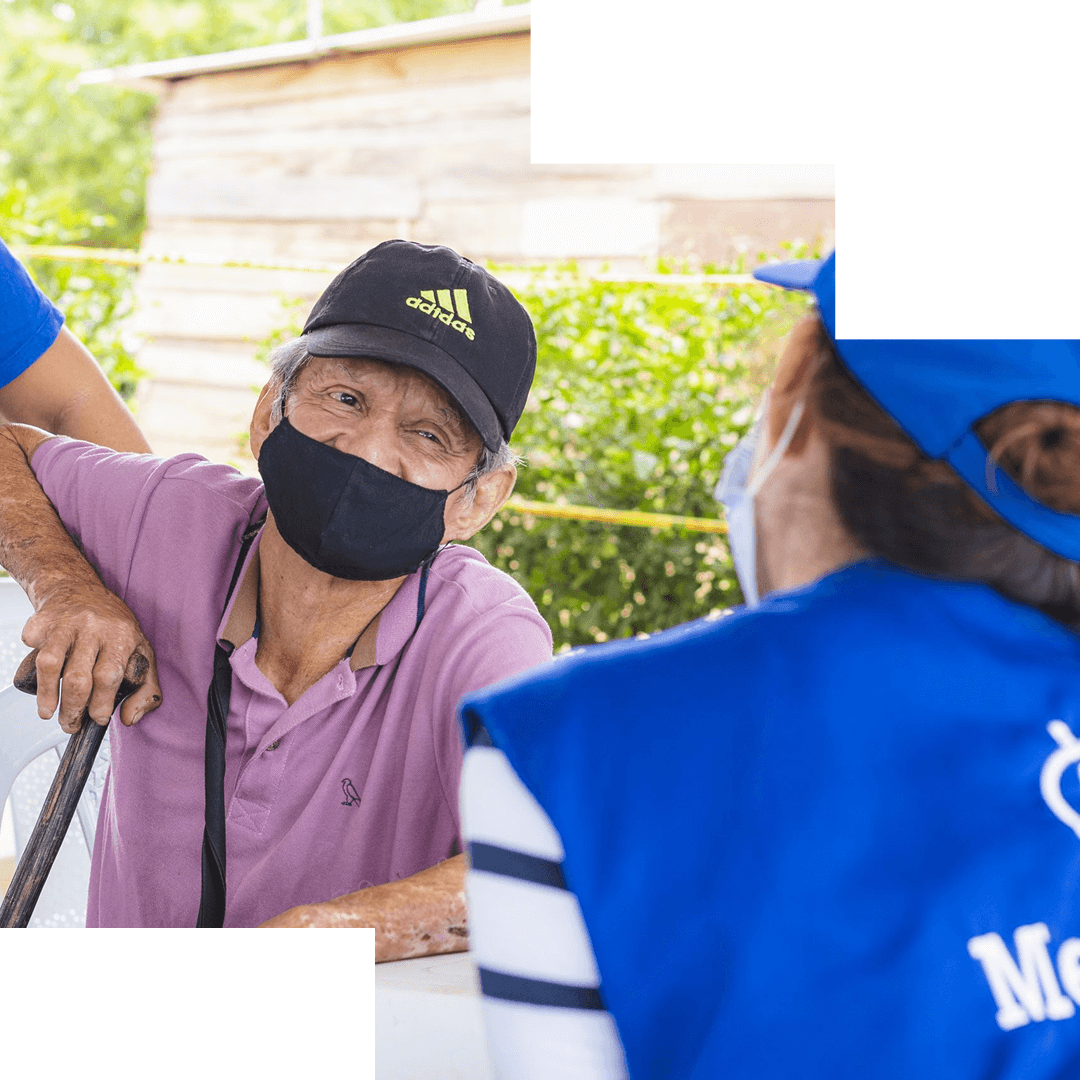
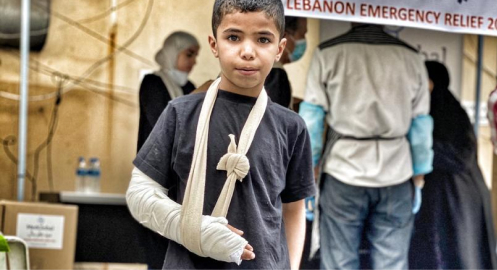
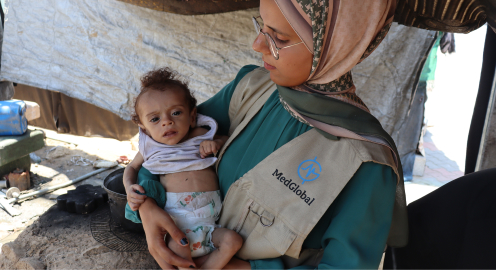
Vulnerable populations in crisis areas, such as those affected by climate change and/or war, frequently have trouble accessing quality health services. To address the acute health needs of vulnerable populations at our country operation sites, MedGlobal provides health services. We emphasize: Primary Care, Infectious Diseases, Non-Communicable Diseases (NCDs), Integrated management of childhood Illness, Sexual and Reproductive Health, and Dental Services. MedGlobal offers these services through permanent clinics staffed by local field staff and rotating international volunteers, innovative programs such as home health for the elderly and disabled, and by deploying resiliency medical missions (RMMs) of medical volunteers. Since 2017, we have hosted 660 medical volunteers on RMMs in 15 countries. We currently offer health services in 10 countries: Bangladesh, Colombia, Ecuador, Lebanon, Mexico, Palestine, Sudan, Syria, Venezuela, and Yemen. Within these countries, we focus on the health of the most vulnerable populations, including refugees and other displaced people, victims of war, women, children, the elderly, and people with disabilities. We strive to offer full-service care, including diagnostic testing and medication dispensing. We establish robust referral networks to ensure that patients needing complex care can receive it at the closest health care facility.
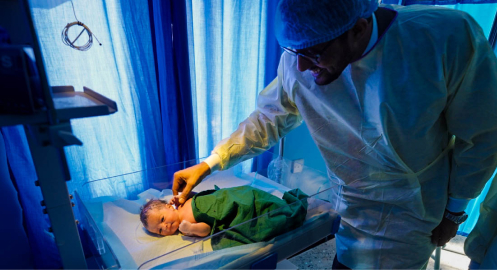
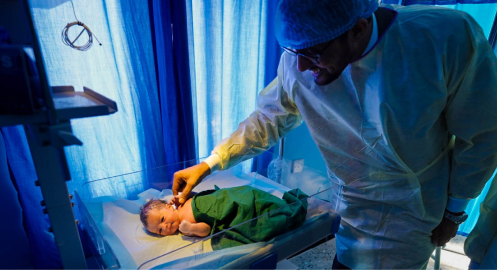
MedGlobal knows that human capacity building is an important part of improving health systems. We build the capacity of local health care providers that work at our country operation sites by providing needs-based, culturally-considerate training. This helps them to develop the skills and behaviors that they need to provide excellent patient care. MedGlobal’s most popular training programs–those that are most frequently requested by our local partners and/or identified as needed through needs assessments–include: MedGlobal knows that human capacity building is an important part of improving health systems. We build the capacity of local health care providers that work at our country operation sites by providing needs-based, culturally-considerate training. This helps them to develop the skills and behaviors that they need to provide excellent patient care. MedGlobal’s most popular training programs–those that are most frequently requested by our local partners and/or identified as needed through needs assessments–include: Essential Newborn Care Now! (ENC Now! – formerly Helping Babies Breathe): an educational program using basic interventions to provide newborn resuscitation and reduce preventable newborn deaths in resource-limited settings. ENC Now! is an inter-agency evidence-based educational program developed by the American Academy of Pediatrics and global partners. MedGlobal has taught ENC Now! courses in Bangladesh, Pakistan, and Yemen. Point of Care Ultrasound (POCUS): In resource-limited settings, POCUS has proven to be a low-cost, efficient method to aid in the diagnosis and management of life-threatening conditions. MedGlobal primarily uses portable, rechargeable “Butterfly iQ” ultrasound machines, which are well-suited for use in the field. Trainings have focused on: trauma diagnosis, pediatric pneumonia diagnosis, obstetrics, and other key topics. Trainings have taken place in Bangladesh, Colombia, Mexico, Pakistan, Palestine, Ukraine, and Yemen. Our POCUS medical education content is thanks to our many volunteers, click below to learn about them! AREAS OF TRAINING MedGlobal has also offered training in Critical Care in Low-Resource Settings; Empathy and Compassion; Disaster Management; Mental Health Training; Infection Control; Management of NCDs; Nursing Training in ICU and Neonatal Units; Emergency Medicine; General Medicine; and Surgical Techniques. Since the onset of the COVID-19 pandemic, more of MedGlobal’s training and educational initiatives have moved to a virtual format. For example, while POCUS training is typically offered in person, MedGlobal’s Bangladesh and Yemen sites are employing an innovative virtual training model. Finally, MedGlobal aims to train the trainers (ToT); this means that top performing trainees are prepared to train other local clinicians after sufficient practice. The ToT model encourages sustainability of the training program; once local trainers establish, the program no longer requires international input. EDUCATION Like our trainings, MedGlobal’s educational initiatives are also designed to address needs that are identified by our local partners, by our field teams, and by the communities living in the areas where we work. These communities of refugees and other vulnerable people have unique needs, stemming from their exposure to war, climate change, and other stressors. We offer education for local health care providers and for communities, and our education can address; Acute needs that arise in response to new problems: For example, MedGlobal educates individuals and communities who are hesitant about COVID vaccine hesitancy. MedGlobal conducted a hesitancy study in northwest Syria, revealing some of the reasons for low vaccination rates and enabling more effective vaccination campaigns. Long-standing needs that persist in response to ongoing problems: For example, the need to educate pregnant women on healthy habits to promote smooth pregnancies and healthy babies. In order to serve hard-to-reach individuals and communities, MedGlobal offers health education through all of our mobile team, home health, and community health worker programs: in Bangladesh, Lebanon, Palestine, Syria, and Ukraine.
No active job openings right now.
No volunteer opportunities right now.
No YouTube videos linked.
Check back soon for new events from MedGlobal.
Muslims Bright © 2026. All Rights Reserved